

Back in 2019, DJ Mag asked a question that still has no clear answer: is vinyl-only culture encouraging elitism in electronic music? Seven years later, with vinyl sales hitting record highs and a new generation of DJs picking up turntables, the question feels more relevant and more personal than ever.
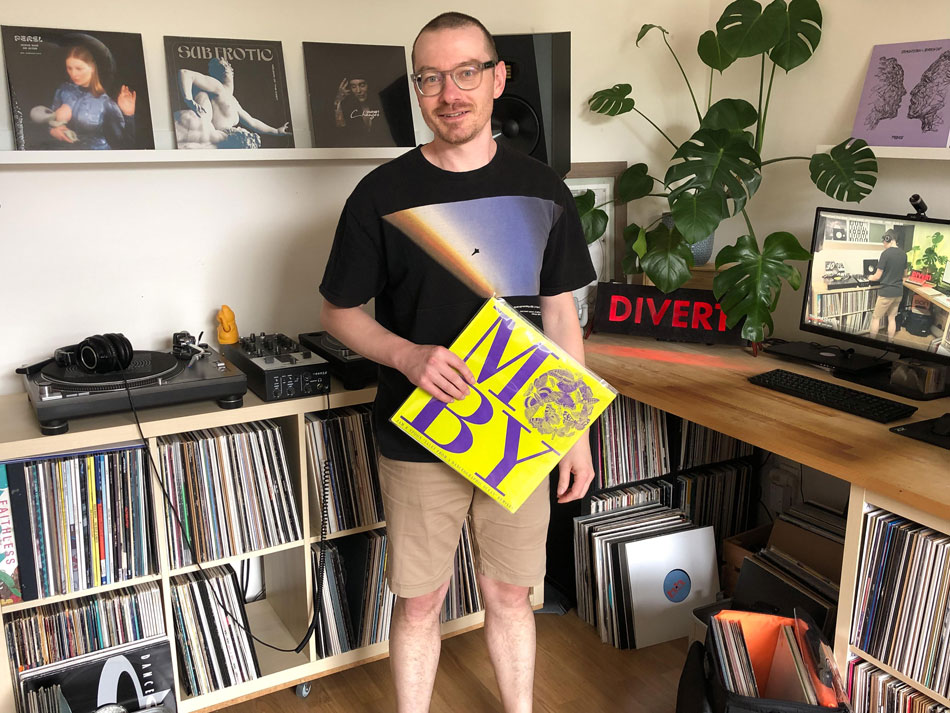
I’m Thomas Dexter, a vinyl DJ and owner of Divertrecords.sk, an online shop specialising in electronic music on vinyl. I didn’t grow up wealthy. My story with vinyl is rooted in secondhand crates, patience, and a love for records that no algorithm can replicate.
Vinyl is booming but not because of the rich
According to the Luminate Year-End Report 2025, US vinyl sales rose for the 19th consecutive year up 8.6% to 47.9 million units. Physical album sales grew 6.5%, while digital album sales dropped 15.9%. The global vinyl market was valued at $2.1 billion in 2024 and is projected to reach $3.6 billion by 2032. In February 2025, the European Commission approved a EUR 20 million Vinyl Revival programme to support the European vinyl industry. This is not niche nostalgia it is a full cultural and economic shift.
Who is driving it? Partly Gen Z the first digitally native generation, who are deliberately choosing vinyl as a break from screens and streaming. Research shows that buyers are motivated by tactile appeal, sound quality, community, and the ritual of listening. Physical connection to music is a conscious choice.
The elitism argument and why it is only half right
The DJ Mag piece made a fair point: vinyl is expensive. A new EP on Deejay.de runs around 14-15 €. A pair of Technics costs as much as a complete digital DJ setup. Limited pressings sell out fast and reappear on Discogs at four times the price. For a young DJ from a working-class background, vinyl can feel like a locked door.
Josh Doherty of I Love Acid put it bluntly: “I’ve always thought that rich kids are the death of culture.” It is a provocative statement, but it contains real truth. When wealth becomes a prerequisite for participation, culture narrows.
But here is what the elitism argument often misses: vinyl-only culture did not invent gatekeeping. It inherited it. And there is a completely different way to engage with records one that has nothing to do with wealth.
The secondhand way: When less money means more intention
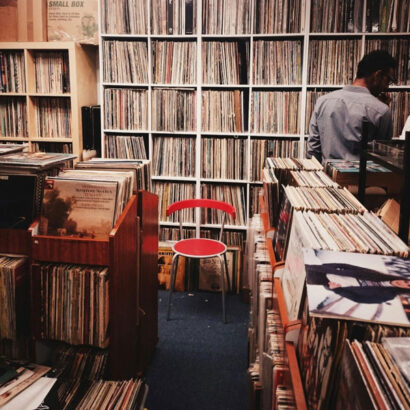
I never had the budget to buy new records freely. So I did what many DJs in my position did: I bought from other DJs. Older selectors selling off parts of their collection because their stacks had grown too large, because they had moved on to a different sound, or simply because they needed the cash. These were not rejects. These were loved records, curated by people who understood exactly what they were passing on.
The same logic applied to my equipment. Back in 2004, I could not afford to buy a pair of new turntables not even close. So I bought one secondhand Technics from a DJ who was upgrading to a newer model, and I paid for it in two instalments. The second turntable came almost a year later, once I had saved enough. For nearly a year, I had one deck. I had to be creative. I had to be patient. I had to want it enough to wait.
And that, I think, was a filter. A necessary one. Back then, turntables were not widely available, there were no DJ rehearsal studios you could rent by the hour, and practising at someone else’s setup was not something you could do regularly. If you wanted to learn, you had to commit fully financially and mentally. That barrier was hard. But it also meant that everyone who pushed through it was serious. Not wealthy. Serious.
And here is something I have come to believe deeply: having less money forces you to be a better selector. When every purchase counts, you do not buy on impulse. You research. You listen. You wait. You think carefully about whether this record truly deserves a place in your bag. That process the deliberation before the purchase is itself valuable. It builds taste. It builds patience.
There is a difference between someone who buys 50 records a month because they can, and someone who saves for weeks to buy one. Both may love music equally. But only one of them has truly wrestled with the question: “Is this the record?”
A record carries more than music it carries memory
Buying secondhand vinyl is not just an economic workaround. It is a form of connection that new records simply cannot replicate. When you buy a record from a DJ who inspired you your mentor, your local hero, someone whose sets changed how you heard music that record comes loaded with meaning.
You know where it has been. You know who played it. When you drop that needle, you are not just playing a track you are continuing a chain of custody, passing along something that was passed to you. The record remembers every room it moved through. And so do you.
This is the warmth that vinyl-only culture, at its best, is actually about. Not the price tag on a limited pressing. Not the smugness of owning something rare. But the feeling of holding something that somebody else once held somebody who shaped how you hear music and knowing you will carry it forward.
That feeling stays with you for as long as you own the record. It does not fade. It is built into the groove.
Vinyl DJs in 2026: Skill, not gatekeeping
Platforms like YouTube’s My Analog Journal have brought vinyl-only sets to millions of viewers. But the underground still wrestles with a gatekeeping mentality the idea that real DJing requires wax, and that anyone on digital is somehow less committed.
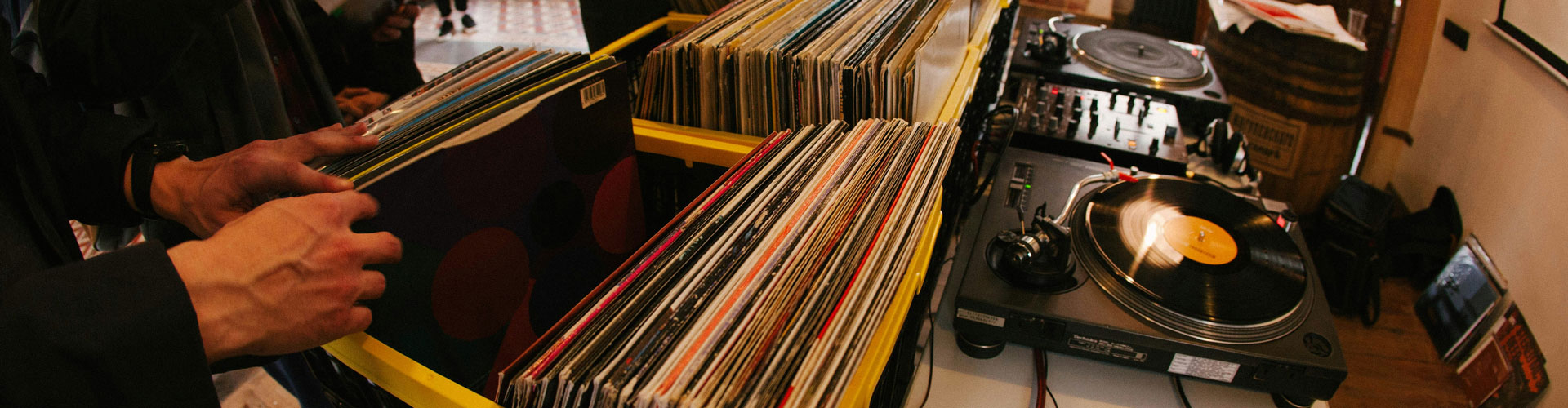
This attitude deserves to be challenged. Vinyl DJing requires real discipline beatmatching by ear, navigating turntable sensitivity on festival stages where bass can skip your needle mid-set, carrying heavy crates. These are genuine skills. But they do not grant moral authority over a dance floor.
What matters is what you play and how you read a room. A DJ with 300 carefully chosen secondhand records can move a crowd more profoundly than one with a pristine wall of hyped limited editions. Format is a tool. Taste is everything.
Conclusion: Vinyl culture belongs to everyone who loves it
Is vinyl-only culture elitist? It can be. When it becomes about exclusion about who can afford the rarest pressing, about looking down on digital DJs yes, it is elitist and damaging.
But vinyl culture does not have to be that. At its heart, it is about intention. About choosing something physical in a world that has made everything frictionless. About the warmth of a record that passed through hands you respect.
I built Divertrecords.sk because I believe this culture is worth preserving and sharing not as a luxury, but as a practice accessible to anyone willing to be patient, curious, and intentional.
You do not need money to love vinyl. You need ears, patience, and the willingness to let a record mean something.